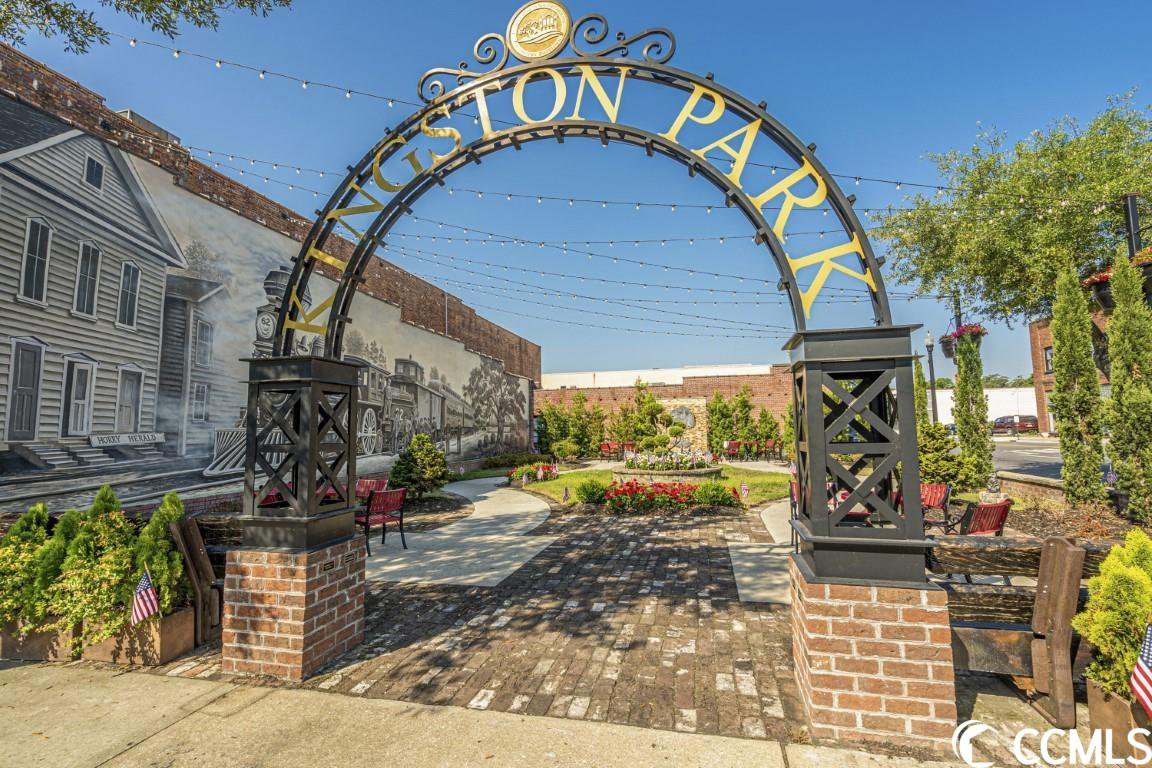
Conway, SC Real Estate News 

Century 21 McAlpine Blog

The Agents and Staff at Century 21 McAlpine love our area and one another! We hope to share some of our daily activities with you and see how we might better serve our community!


May 8, 2026

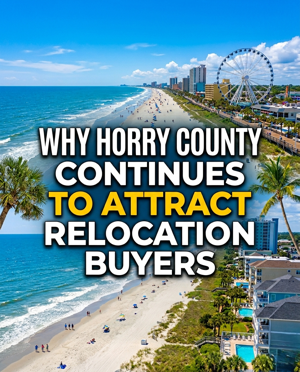
Why Horry County Continues to Attract Relocation Buyers

Horry County has quietly become one of the most popular relocation destinations in the Southeast, and the reason is no longer a secret. Buyers from New York, New Jersey, Pennsylvania, Ohio, and Michigan continue to make their way to coastal South Carolina in search of better weather, lower taxes, and a slower pace of life. Whether the move is driven by retirement, remote work, or a long-overdue lifestyle change, Horry County offers a rare combination of beach access, affordability, and small-town personality that is hard to find anywhere else on the East Coast.

Why Horry County Stands Out for Relocation Buyers

Most buyers begin their search by comparing the broader Grand Strand to other coastal markets. They quickly discover that Horry County, SC offers a wide range of housing styles at price points that simply do not exist in Florida or coastal North Carolina. From tidy ranch homes in established neighborhoods to brand-new construction in master-planned communities, the variety here is one of the strongest selling points for relocation buyers.

The cost of living also plays a meaningful role. South Carolina’s property taxes are among the lowest in the country for primary residents, and the state offers significant tax breaks for retirees on Social Security and other forms of qualified income. When you combine that with no estate tax and reasonable insurance compared to many Gulf Coast markets, the math for relocation buyers tends to work in their favor.

A Coastal Lifestyle Without the Florida Price Tag

The Atlantic coast in Horry County stretches from Little River down through North Myrtle Beach, Myrtle Beach, Surfside Beach, and into Garden City. That gives buyers access to roughly 60 miles of beach without the congestion and steep pricing of Florida. Many out-of-state buyers are surprised to learn they can purchase a quality single-family home a short drive from the ocean for less than they would pay for a small condo elsewhere on the Atlantic.

Buyers who want to live closer to the action can look at Myrtle Beach for resort-style communities and oceanfront condos. Those who prefer a quieter setting often gravitate toward Little River, where boating, fishing, and a small fishing-village feel still define everyday life. Either way, the proximity to the water shapes how people spend their weekends, and that lifestyle is one of the biggest reasons buyers stay once they make the move.
Why Horry County Continues to Attract Relocation Buyers

Diverse Communities for Different Lifestyles

One of the things that makes Horry County so attractive to relocation buyers is that it does not feel like one big city. It feels like a collection of distinct towns that each have their own personality.

Conway for Small-Town Charm

Conway, SC sits along the Waccamaw River and offers a walkable downtown, historic homes, and a strong community feel. Families relocating with children often choose Conway because the schools, parks, and slower pace make for an easier transition. Buyers who want to be close to the beach without paying coastal prices appreciate that they can drive to the ocean in under thirty minutes.

Myrtle Beach for Coastal Living

Myrtle Beach is the heart of the Grand Strand and the most recognizable name in coastal South Carolina real estate. Relocation buyers here find everything from oceanfront condos to single-family homes in golf course communities such as Grande Dunes, Carolina Forest, and Market Common. Retirees and remote workers especially love the access to dining, healthcare, and entertainment.

North Myrtle Beach and Little River for Boaters and Retirees

North of the action, North Myrtle Beach offers beach communities such as Cherry Grove and Ocean Drive that feel more residential and less touristy. Just inland, Little River draws relocation buyers who want canal homes, marina access, or quick connections to the Intracoastal Waterway. Both areas continue to attract retirees and second-home buyers.

What Relocation Buyers Should Know Before Moving

Coastal South Carolina living comes with its own set of practical considerations. Wind and hail coverage, flood zones, and HOA fees all behave a little differently here than in inland markets up north. Buyers moving from areas without hurricanes should plan to learn about insurance early in the process, since the right coverage and the right home age can affect monthly carrying costs significantly.

A few things worth thinking through:

  • Insurance: Wind, hail, and flood policies vary widely by zone and home age, and are usually separate from a standard homeowner policy near the coast.
  • Home age and construction: Older homes can be wonderful but may need updates to wind-resistant materials or roofing.
  • HOA and master-plan fees: Resort communities often have several layers of fees that cover amenities like pools, golf access, or beach parking.
  • Property taxes: Owner-occupied homes pay a much lower assessment ratio than second homes, which is important for second-home and investment buyers to plan around.

A good local agent will walk through these factors before you fall in love with a specific home, and that early conversation can save thousands over the life of the purchase.

Strategy for Buyers Coming From Out of State

The most successful out-of-state buyers in Horry County treat the search as a two-trip process. The first trip is for orientation. Visit several towns, drive between them, see how long the commute to the beach feels, and pay attention to noise, traffic, and the seasonal rhythm. The second trip is for serious shopping, with a sharper short list and a lender already in place.

Reading market data from a distance can be misleading. Two homes a few streets apart may sit in completely different flood zones, school districts, or HOA structures. Connecting with a Horry County agent who knows the day-to-day differences between Carolina Forest, Conway, Cherry Grove, and Little River makes that distance much less of a disadvantage. Many buyers also lean on an agent for help with the buying process so that everything from financing to inspections lines up smoothly with a long-distance closing.

Key Takeaways

Horry County continues to attract relocation buyers because it delivers a rare mix of coastal lifestyle, affordable real estate, and welcoming small-town communities. South Carolina’s tax structure and lower overall cost of living give buyers from northern and midwestern states more home for their money, while the geographic variety inside the county lets each buyer match their lifestyle to a town that fits. The most important takeaway is that planning ahead, understanding insurance and HOA realities, and working with a local agent who knows every corner of the Grand Strand will make a Horry County relocation feel less like a leap and more like a smart, supported move.

About Greg Harrelson

Greg Harrelson is a seasoned Realtor® with more than 30 years of experience serving the Myrtle Beach and Grand Strand markets. As the founder of Century 21 The Harrelson Group, Greg has built his career helping buyers, sellers, and investors achieve success in every corner of the coastal Carolina real estate market. His expertise spans residential homes, investment properties, land development, and coastal condos. Known for his deep local knowledge, innovative marketing strategies, and commitment to personal service, Greg consistently helps clients reach their real estate goals while navigating the ever-changing market with confidence and precision.
April 14, 2026

The Cost of Living in Conway vs. Myrtle Beach, SC: Which Is Right for You?

If you're considering buying, selling, or investing in South Carolina’s Grand Strand, understanding the cost of living is essential. Two of the most popular destinations—Conway and Myrtle Beach—offer very different lifestyles and price points, despite being just miles apart.

Whether you're relocating, retiring, or investing in rental property, this guide breaks down the real costs so you can make a confident decision.

Overview: Coastal Living vs. Small-Town Affordability

At a high level:

  • Myrtle Beach offers a vibrant coastal lifestyle, tourism-driven economy, and beachfront living.
  • Conway provides a quieter, more residential feel with generally lower housing costs.

For many buyers, the choice comes down to lifestyle vs. affordability.

Housing Costs: The Biggest Difference

Housing is the most significant factor in cost of living—and where these two markets differ the most.

Myrtle Beach Housing

  • Median home prices hover around $279,000–$318,000 depending on the source
  • Condos and beachfront properties drive demand
  • Housing costs are about 30% below the national average

Myrtle Beach remains relatively affordable for a coastal city, but demand from retirees, investors, and vacation buyers continues to push prices upward.

Conway Housing

Typically, 10–20% less expensive than Myrtle Beach

  • More single-family homes and larger lots
  • Less influence from short-term rental markets

Utilities & Insurance: Coastal Premiums Add Up

Living near the coast comes with added costs.

Myrtle Beach

  • Utilities are about 16–22% higher than the national average
  • Flood and wind insurance can significantly increase monthly expenses
  • HOA fees are common in condo and resort-style communities

Conway

  • Lower insurance costs due to inland location
  • Fewer HOA communities
  • More predictable monthly expenses

Groceries, Transportation, and Daily Expenses


Interestingly, everyday costs are fairly similar between the two areas.

Myrtle Beach

  • Groceries are about 3–4% higher than the national average
  • Transportation costs are slightly below average
  • Tourist demand can drive up seasonal prices

Conway

  • Slightly lower grocery and dining costs
  • Less traffic, reducing fuel and commute expenses
  • Fewer tourist-driven price fluctuations

Overall Cost of Living Comparison

  • Myrtle Beach cost of living is about 7% lower than the U.S. average
  • However, some reports place its cost index at 107 (slightly above average) depending on methodology
  • Conway is generally considered more affordable overall, especially in housing and insurance

Investment Potential: Where Should You Buy?

Myrtle Beach: Strong Rental Market

  • High demand for vacation rentals
  • Seasonal income opportunities
  • Popular among out-of-state investors

Conway: Long-Term Stability

  • Growing population and suburban expansion
  • Strong demand for primary residences
  • Lower entry price = higher potential ROI for buy-and-hold investors

Quality of Life: What Do You Get for Your Money?

Myrtle Beach

  • Beach access and ocean views
  • Entertainment, dining, golf, and nightlife
  • Higher traffic and seasonal crowds

Conway

  • Historic charm and slower pace
  • Riverfront scenery and local community feel
  • Easy access to Myrtle Beach (about 20–30 minutes away)

Final Verdict: Conway vs. Myrtle Beach

Choose Myrtle Beach if you:

  • Want coastal living and walkable beach access
  • Are investing in short-term rentals
  • Value lifestyle and amenities over lower costs

Choose Conway if you:

  • Want more affordable housing
  • Prefer a quieter, residential environment
  • Are focused on long-term living or rental stability

Bottom Line for Buyers, Sellers, and Investors

Both Conway and Myrtle Beach offer excellent opportunities—but for different reasons.

  • Buyers: Conway stretches your budget further
  • Sellers: Myrtle Beach demand can drive higher prices
  • Investors: Myrtle Beach = cash flow potential; Conway = lower risk and entry cost

If you're unsure which market fits your goals, working with a local real estate expert can help you identify the best opportunities based on current trends.

Posted in For Buyers
April 2, 2026

Top Family-Friendly Neighborhoods in Horry County, SC (2026 Guide)

If you're searching for the perfect place to raise a family along South Carolina’s Grand Strand, Horry County offers a wide range of communities that balance top-rated schools, safety, affordability, and lifestyle amenities. Whether you're a home buyer looking for your forever home, a seller positioning your property, or an investor targeting high-demand areas, understanding where families want to live is key.

This guide highlights the most family-friendly neighborhoods in Horry County—and why they stand out in today’s market.

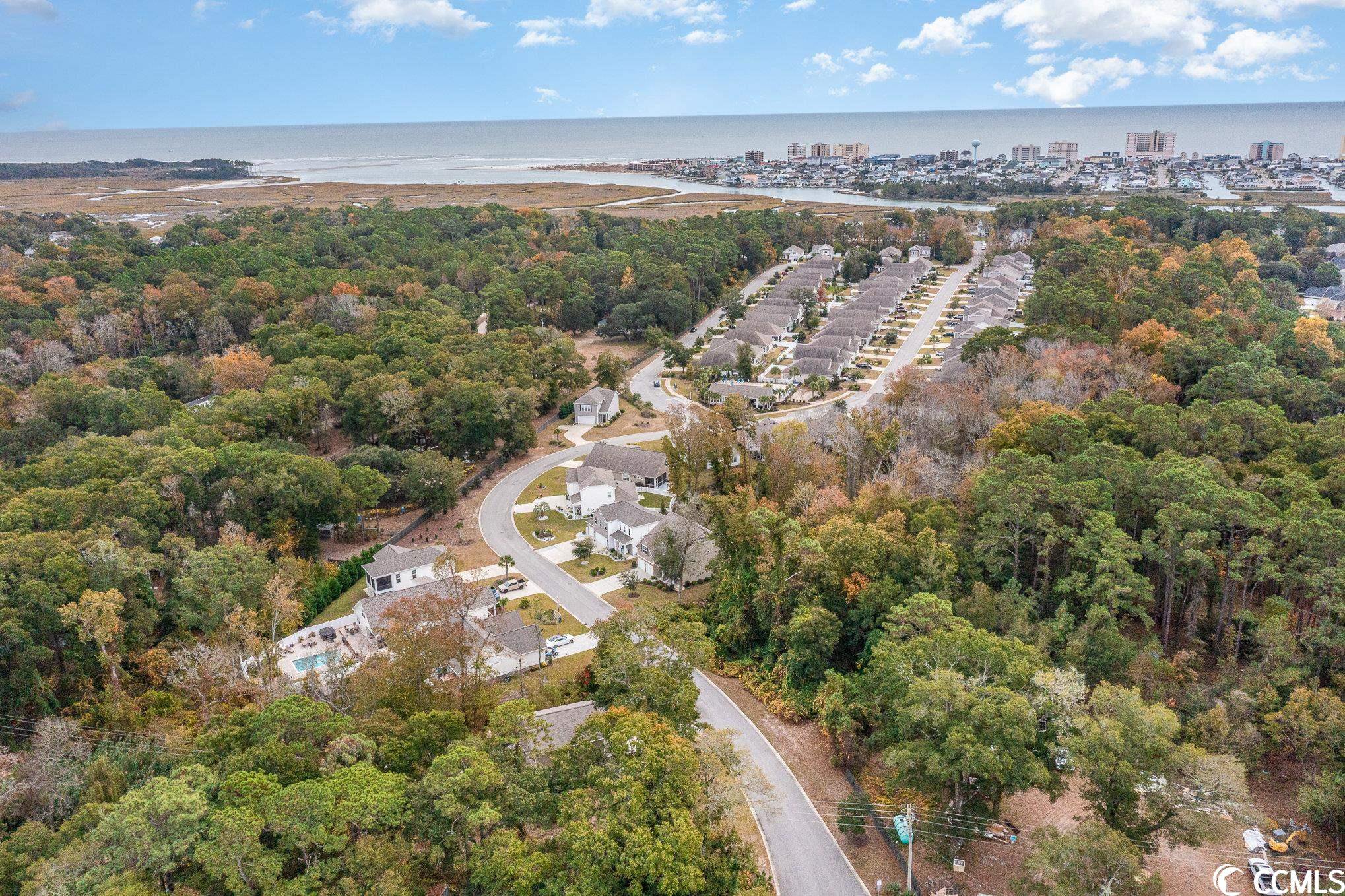
Scenic Aerial View of Waters Edge Horry County SC

Why Horry County Appeals to Families

Horry County continues to attract families thanks to its coastal lifestyle, growing job market, and diverse housing options. While overall safety varies by neighborhood, the county is generally considered a safe place to live with a strong A-grade safety rating in some areas.

Additionally:

  • Many neighborhoods feature planned communities with amenities (pools, parks, walking trails)
  • Access to highly rated schools is a major draw
  • A mix of new construction and established communities offers flexibility for buyers

1. Carolina Forest – The #1 Family Destination

Best for: School quality, master-planned living, resale value

Carolina Forest consistently ranks as one of the top choices for families relocating to Horry County—and for good reason.

What Families Love:

  • Zoned for high-performing schools in the county
  • Abundance of sidewalks, parks, and community amenities
  • Strong sense of community with HOA-managed neighborhoods

Real Estate Insight:

Carolina Forest offers a mix of price points, from starter homes to upscale properties, making it ideal for both first-time buyers and move-up families.

2. North Myrtle Beach – Coastal Living with a Suburban Feel

Best for: Beach access, quieter lifestyle, retirees + families mix

North Myrtle Beach is often preferred by families who want proximity to the ocean without the heavy tourism traffic of central Myrtle Beach.

Highlights:

  • More residential, less tourist-heavy environment
  • Access to family-friendly beaches and parks
  • Strong demand for vacation rentals and second homes

Investment Angle:

This area offers excellent opportunities for short-term rental income while still appealing to long-term residents.

3. Conway – Small-Town Charm with Growing Appeal

Best for: Affordability, historic charm, long-term growth

Located inland, Conway is one of the fastest-growing areas in Horry County for families seeking value and space.

Why It Stands Out:

  • Lower home prices compared to coastal areas
  • Historic downtown with shops and restaurants
  • Increasing popularity among first-time buyers and investors

Market Trend:

As coastal prices rise, Conway continues to benefit from spillover demand, making it a smart choice for long-term appreciation.

4. Socastee – Convenience Meets Affordability

Best for: Commuters, budget-conscious buyers

Socastee offers a strategic location near Myrtle Beach while maintaining relatively affordable housing options.

Key Benefits:

  • Close to major highways, schools, and shopping centers
  • Wide selection of new construction communities
  • Attractive for young families and working professionals

Consideration:

Like many areas in Horry County, safety and desirability can vary by subdivision—buyers should evaluate specific neighborhoods carefully.

5. The Market Common – Urban-Style Living for Families

Best for: Walkability, lifestyle amenities, modern homes

The Market Common is one of the most unique communities in Horry County, offering a walkable, mixed-use environment.

What Makes It Special:

  • Access to restaurants, shops, and parks within walking distance
  • Popular with young families and professionals
  • Close to top schools and recreational facilities

Seller Tip:

Homes in this area often command premium prices due to high demand and lifestyle appeal.

6. Murrells Inlet – Relaxed Coastal Living

Best for: Nature lovers, quieter coastal lifestyle

Just south of Myrtle Beach, Murrells Inlet offers a slower pace of life with strong appeal for families.

Features:

  • Known for its waterfront dining and outdoor recreation
  • Access to top-rated schools and natural attractions
  • Less congestion compared to central Myrtle Beach

Safety & School Considerations

Safety is a top priority for families—and in Horry County, it varies significantly by neighborhood.

  • Some areas in Myrtle Beach rank among the safest neighborhoods in the region, including Carolina Forest and Waterbridge
  • Overall county crime rates show property crime slightly below the national average, while violent crime is modestly higher

For buyers, this reinforces the importance of working with a local real estate expert who understands micro-market differences.


Final Thoughts

Horry County offers something for every type of buyer—from beachfront living to quiet suburban communities. Neighborhoods like Carolina Forest, North Myrtle Beach, and Conway continue to lead the way for families due to their combination of livability, affordability, and long-term investment potential.

If you're considering buying, selling, or investing in Horry County real estate, focusing on family-friendly neighborhoods is one of the smartest strategies for maximizing value and demand in today’s market.

Posted in For Buyers
March 23, 2026

How Out-of-State Buyer Demand Is Changing the Myrtle Beach Seller's Market in 2026

How Out-of-State Buyer Demand Is Changing the Myrtle Beach Seller’s Market in 2026

The Myrtle Beach real estate market has always attracted attention from beyond South Carolina’s borders. Buyers from the Northeast, Midwest, and other regions have long been drawn to the Grand Strand for its beaches, affordability compared to their home markets, and appealing quality of life. In 2026, that trend is not just continuing but accelerating, and it is reshaping the way sellers need to think about pricing, marketing, and timing their sales.

If you are considering selling your Myrtle Beach area home this year, understanding how out-of-state buyer demand is influencing the local market can help you position your property for maximum interest and the strongest possible outcome.

Why Out-of-State Buyers Are Targeting the Grand Strand

Several factors are driving increased interest from buyers outside South Carolina. Remote work continues to give professionals the flexibility to live wherever they choose, and many are choosing places where their housing dollars stretch further without sacrificing lifestyle. The Myrtle Beach area checks those boxes with lower property taxes, no state income tax on certain retirement income, and a cost of living that remains attractive compared to major metro areas in the Northeast and Mid-Atlantic.

Retirees and pre-retirees represent another major wave of out-of-state buyers. The combination of mild winters, world-class golf, beach access, and a growing healthcare infrastructure makes coastal South Carolina a top relocation destination for people entering their next chapter. Second-home buyers and investors are also part of the equation, drawn by short-term rental potential and the strong tourism economy that supports the region year-round.

What This Means for Sellers in Terms of Pricing

When a significant portion of your buyer pool is coming from markets where home prices are substantially higher, their perception of value is different from that of a local buyer. A home listed at four hundred thousand dollars in Myrtle Beach may feel like a remarkable deal to someone selling a property for twice that amount in New Jersey or Connecticut. This dynamic can work in your favor, but only if you price your home correctly from the start.

Overpricing can still backfire even in a market with strong out-of-state interest. These buyers do their research online before ever visiting in person, and they are comparing your property against others in the area. A well-priced home that shows strong value relative to the local market will generate more interest than one that appears inflated, regardless of where the buyers are coming from.

Marketing to an Audience That Is Not Local

Selling to out-of-state buyers requires a different marketing approach than selling to someone who already lives in the area. These buyers are making decisions based heavily on what they can see and learn online before scheduling a visit. That means professional photography, detailed property descriptions, video walkthroughs, and virtual tours are no longer optional extras. They are essential tools for capturing the attention of someone browsing listings from a thousand miles away.

Highlighting lifestyle elements matters more with out-of-state buyers as well. They are not just purchasing a structure. They are buying into a way of life. Proximity to the beach, golf courses, restaurants, shopping, and healthcare should all be part of how your home is presented. Area information, neighborhood context, and community amenities help paint the full picture that a distant buyer needs to make a confident decision.

The Role of Technology in Reaching Distant Buyers

Technology has made it possible for buyers to tour homes, review neighborhoods, and even make offers without setting foot in the area first. FaceTime walkthroughs, 3D tours, and drone footage are all part of the modern seller’s toolkit. Working with an agent who understands how to leverage these tools can make the difference between your home sitting on the market and generating multiple offers from motivated out-of-state buyers.

Online advertising that targets specific geographic regions can also be extremely effective. Rather than waiting for buyers to find your listing organically, strategic digital marketing can put your property directly in front of people in high-demand feeder markets who are actively searching for homes in the Myrtle Beach area.

Timing and Seasonal Considerations

Out-of-state buyer activity in Myrtle Beach tends to follow certain seasonal patterns. Spring and early summer are traditionally strong because buyers want to visit during pleasant weather and may be planning relocations around the school year or retirement timelines. However, the fall months have also become increasingly active as buyers who visited during the summer return to make purchasing decisions before the end of the year.

Understanding these patterns can help you time your listing strategically. Launching your home on the market just before a peak period of out-of-state interest gives you the best chance of reaching the widest possible audience when motivation to buy is highest.

How Local Knowledge Gives Sellers an Edge

While out-of-state buyers bring purchasing power and enthusiasm, they also rely heavily on local professionals to guide them through the process. As a seller, working with an agent who understands both the local market dynamics and the needs of relocating buyers ensures that your home is positioned effectively. From staging recommendations that appeal to a national audience to negotiation strategies that account for the unique circumstances of long-distance transactions, local expertise is your greatest asset.

About Greg Harrelson

Greg Harrelson brings a career spanning over 15,000 real estate transactions in the Myrtle Beach market, giving him a perspective on buyer trends and market shifts that few agents can match. His approach combines deep local knowledge with forward-thinking marketing strategies designed to connect sellers with the broadest possible buyer audience, including the growing number of out-of-state purchasers drawn to coastal South Carolina. With more than 1,100 five-star reviews and hundreds of Google reviews, Greg has earned a reputation built on results and genuine care for every client. Whether you are selling a primary residence, vacation home, or investment property, Greg and his team are committed to being a trusted resource through every step of the process.

Frequently Asked Questions

Where are most out-of-state buyers in Myrtle Beach coming from?

The largest groups of out-of-state buyers tend to come from the Northeast, including states like New York, New Jersey, Pennsylvania, and Connecticut. There is also significant interest from buyers in Ohio, Michigan, and other Midwestern states, as well as from other parts of the Southeast.

Do out-of-state buyers typically pay more for homes in Myrtle Beach?

Out-of-state buyers often perceive Myrtle Beach homes as strong values compared to their home markets, which can lead to competitive offers. However, they are still informed buyers who compare prices within the local market. Proper pricing remains essential to attracting serious interest.

How can I make my home more appealing to buyers who cannot visit in person right away?

Investing in professional photography, video tours, and 3D virtual walkthroughs makes a significant difference. Detailed descriptions of the property and surrounding area also help distant buyers feel confident about scheduling a visit or making an offer.

Is it common for out-of-state buyers to make offers sight unseen?

While some buyers do make offers based on virtual tours and video walkthroughs, most prefer to visit at least once before finalizing their purchase. However, providing comprehensive online materials can move them much further along in the decision process before that visit happens.

What is the best time of year to list my home if I want to attract out-of-state buyers?

Spring and early summer tend to see the highest out-of-state buyer activity, but fall has become increasingly strong as well. Your agent can help you determine the ideal timing based on your specific property and target buyer profile.

Should I stage my home differently for out-of-state buyers?

Staging should emphasize the coastal lifestyle and the features that attract people to the area in the first place. Light, bright, and welcoming spaces that photograph well are especially important since most out-of-state buyers will form their first impression online.

March 23, 2026

How to Emotionally Prepare to Sell the Myrtle Beach Home You Have Lived in for Years

How to Emotionally Prepare to Sell the Myrtle Beach Home You Have Lived in for Years

Selling a home is rarely just a financial transaction. When you have lived in a place for years, maybe even decades, it becomes woven into the fabric of your life. The rooms hold memories of family gatherings, holidays, milestones, and everyday moments that shaped who you are. For Myrtle Beach homeowners who have built a life around the coastal lifestyle, from morning walks on the beach to evenings on the back porch watching the marsh, the emotional weight of saying goodbye can be significant.

If you are preparing to sell a home you have loved and lived in for a long time, knowing how to navigate the emotional side of the process is just as important as understanding the financial side. Here are some practical ways to prepare yourself so you can move forward with confidence and peace of mind.

Acknowledge Your Feelings Without Letting Them Drive Decisions

The first step is simply recognizing that it is normal to feel a mix of emotions when selling a long-term home. Sadness, nostalgia, anxiety, and even guilt are all common. These feelings do not mean you are making the wrong decision. They mean the home mattered to you, and that is a good thing.

Where sellers get into trouble is when they allow these emotions to influence pricing decisions, negotiation responses, or timelines. Overpricing your home because you believe its sentimental value should translate to market value, or rejecting a fair offer because it feels like the buyer does not appreciate what the home means to you, can lead to outcomes you regret. Acknowledge your feelings, talk about them with people you trust, but keep your business decisions grounded in market reality.

Separate the Home from the Memories

One of the most helpful mental shifts sellers can make is to recognize that the memories you created in your home belong to you, not to the building. The laughter, the celebrations, the quiet moments of comfort do not disappear when you hand over the keys. They travel with you wherever you go next.

Before listing, take time to walk through the house and let yourself feel grateful for the life you built there. Some sellers find it helpful to take photos of their favorite spaces, write down a few memories associated with specific rooms, or create a small keepsake album. This intentional process of honoring the home can make it easier to let go when the time comes.

Focus on What Comes Next

It is easier to leave a place you love when you have something exciting to look forward to. Whether you are downsizing to a more manageable home, moving closer to family, relocating to a new area, or simply starting a new chapter in a different neighborhood, focusing on the possibilities ahead can shift your perspective from loss to anticipation.

Start envisioning your new life early in the process. Visit potential new neighborhoods, browse listings, and think about how your next home will serve your current needs and future goals. For many Myrtle Beach sellers, this is an opportunity to find a property that better fits where they are now, whether that means less yard maintenance, a different proximity to the beach, or a community with amenities that match their evolving lifestyle.

Lean on Your Support System

You do not have to go through this alone. Talk to your spouse, partner, family members, or close friends about how you are feeling. If others in the household are also emotionally attached to the home, having open conversations about the decision and the reasons behind it can help everyone process the transition together.

Your real estate agent can also be a valuable source of support during this time. An experienced agent who has helped other long-term homeowners through the selling process understands the emotional dynamics involved and can provide reassurance, patience, and practical guidance when you need it most.

Give Yourself Permission to Grieve

Selling a long-term home is a form of loss, and it is healthy to allow yourself to grieve even as you move forward. You might feel emotional during the decluttering process, the last time you mow the lawn, or the final walk-through before closing. These feelings are normal and they pass. Giving yourself permission to feel them, rather than pushing them aside, makes the transition smoother in the long run.

Many Myrtle Beach homeowners who have gone through this process report that once the sale is complete and they are settled into their new home, the initial sadness gives way to excitement and relief. The hard part is the anticipation of leaving, not the reality of having left.

About Greg Harrelson

Greg Harrelson understands that selling a home is about much more than numbers on a contract. As broker and owner of CENTURY 21 Harrelson Group, Greg has walked alongside more than 15,000 families through real estate transitions in the Myrtle Beach area, and he knows that every homeowner's story is unique. His approach combines professional expertise with genuine empathy, which is why he has received over 1,100 five-star reviews and hundreds of Google reviews from clients who felt truly supported throughout the process. Greg is committed to being more than just an agent. He strives to be a trusted advisor and a steady presence for homeowners during one of life's most significant decisions.

Frequently Asked Questions

Is it normal to feel sad about selling my home?
Absolutely. Feeling emotional about selling a home you have lived in for years is one of the most common experiences in real estate. It reflects the meaningful life you built there, and it does not mean you are making the wrong choice.

How do I keep emotions from affecting my sale price?
Work closely with a trusted local agent who will provide an objective comparative market analysis and honest feedback about pricing. Lean on their expertise to guide pricing and negotiation decisions so you can focus on the emotional transition separately.

When should I start preparing emotionally to sell?
Begin processing your feelings as soon as you start seriously considering a sale. The more time you give yourself to work through the emotional side, the more comfortable and confident you will feel when the listing goes live and offers start coming in.

What if my family members are not ready to sell?
Open communication is key. Discuss the reasons for the move, acknowledge everyone's feelings, and involve family members in the process where possible, such as choosing the new home or deciding what to keep. A family meeting with your agent can also help everyone get on the same page.

How can I find an agent who understands the emotional side of selling?
Look for an agent with extensive experience and strong client reviews that mention personal attention and supportive communication. Greg Harrelson and the CENTURY 21 Harrelson Group team are known for combining market expertise with the genuine care that long-term homeowners need during this transition.

Posted in For Sellers
March 23, 2026

What Do Myrtle Beach Sellers Regret Most After Closing?

What Do Myrtle Beach Sellers Regret Most After Closing?

Selling a home is one of the biggest financial and emotional decisions most people will ever make, and it is natural to look back after closing and wonder whether you could have done something differently. After working with thousands of Myrtle Beach homeowners over the years, certain regrets come up time and again. Understanding these common missteps before you list your property can help you avoid them entirely and walk away from closing feeling confident that you made the right moves.

Whether you are selling a beachfront condo, a family home in Conway, or a golf community property in the Carolina Forest area, these are the regrets that Myrtle Beach sellers mention most often after the deal is done.

Pricing Too High at the Start

The most frequently cited regret among Myrtle Beach sellers is overpricing their home when it first hits the market. Many sellers believe they can always come down in price later if the home does not sell quickly, but the reality is that the first two to three weeks on the market are when buyer interest is at its peak. When a home is priced above its true market value during this critical window, it often sits without offers while correctly priced homes nearby attract attention and go under contract.

By the time a price reduction happens, the listing can carry a stigma of being stale, and buyers may wonder what is wrong with the property. Sellers who wish they had priced accurately from day one consistently say it would have saved them time, stress, and in many cases money.

Not Investing in Preparation and Presentation

Another common regret is failing to invest in basic preparation before listing. Simple things like fresh paint, deep cleaning, decluttering, minor repairs, and landscaping updates can significantly impact how buyers perceive a home. Sellers who skip these steps often find that their home receives lower offers than expected, or that buyers request excessive credits during negotiations for issues that could have been addressed inexpensively before listing.

In the Myrtle Beach market, where buyers frequently compare multiple properties side by side, first impressions carry enormous weight. Sellers who take the time and spend a modest amount to present their home in its best light consistently report better outcomes and fewer regrets.

Choosing the Wrong Agent

Selecting a real estate agent based solely on who suggests the highest listing price or who charges the lowest commission is a decision many sellers come to regret. The right agent brings a combination of local market knowledge, proven marketing strategies, negotiation skills, and communication throughout the process. An agent who tells you what you want to hear rather than what you need to hear may cost you far more in the long run.

Myrtle Beach sellers who express this regret often say they wish they had spent more time researching agents, reading reviews, and asking about their specific experience with properties similar to theirs. The agent you choose has a direct impact on your final sale price, timeline, and overall experience.

Being Emotionally Driven During Negotiations

Selling a home is personal, and it can be difficult to separate emotions from business decisions during negotiations. Sellers who reject reasonable offers because they feel insulted, or who refuse to make modest concessions that would keep a deal together, sometimes look back and realize those emotional reactions cost them a strong buyer. In a market where conditions can shift quickly, a qualified buyer at a fair price is valuable.

The sellers who report the fewest regrets are those who approach negotiations with a clear understanding of their priorities, a willingness to consider the buyer's perspective, and the guidance of an agent who can provide objective counsel when emotions run high.

Not Understanding the Costs of Selling

Some Myrtle Beach sellers are surprised by the costs associated with closing, including agent commissions, title insurance, transfer taxes, prorated property taxes, and potential repair credits negotiated by the buyer. When these costs are not fully understood upfront, the net proceeds from the sale can feel disappointing compared to expectations.

Sellers who take the time to review a detailed net sheet with their agent before listing are far less likely to experience this regret. Knowing your estimated bottom line from the beginning allows you to make informed decisions about pricing, concessions, and whether the timing is right to sell.

Waiting Too Long to Sell

Market conditions fluctuate, and several Myrtle Beach sellers have expressed regret about waiting too long to list their home. Whether they were hoping for prices to climb higher or simply procrastinating on the decision, some find that the market shifted before they acted. Sellers who stay informed about local trends and work with an agent who provides honest market updates are better positioned to sell at the right time.

About Greg Harrelson

Greg Harrelson is the broker and owner of CENTURY 21 Harrelson Group and has spent his career ensuring that Myrtle Beach homeowners have the information and support they need to sell with confidence. Over more than 15,000 career transactions in the Grand Strand market, Greg has seen firsthand what leads to seller satisfaction and what leads to regret. He has earned over 1,100 five-star reviews and hundreds of Google reviews because his clients consistently feel prepared, informed, and well-represented throughout the entire selling process. Greg's goal with every listing is to help sellers avoid common pitfalls and achieve the best possible outcome for their unique situation.

Frequently Asked Questions

What is the number one mistake Myrtle Beach sellers make?
Overpricing the home at initial listing is the most common and costly mistake. It reduces buyer interest during the most critical period on the market and often leads to a lower final sale price than if the home had been priced correctly from the start.

How much should I invest in preparing my home before listing?
The amount varies by property, but even modest investments in cleaning, paint, landscaping, and minor repairs can yield a strong return. Your agent can help you identify the improvements that will have the biggest impact for your specific home and neighborhood.

How do I choose the right real estate agent?
Look for an agent with strong local market experience, a proven track record, excellent client reviews, and a marketing plan specific to your property. Avoid choosing based solely on the highest suggested price or the lowest commission rate.

Should I accept the first offer I receive?
Not necessarily, but you should evaluate every offer carefully with your agent. The first offer is sometimes the strongest, and dismissing it without serious consideration is a common source of regret. Your agent can help you assess whether the offer is fair relative to current market conditions.

How can I avoid seller regret when selling my Myrtle Beach home?
Work with an experienced local agent, price your home accurately, prepare it for showings, understand your costs, and approach negotiations with a clear head. Contact Greg Harrelson and the CENTURY 21 Harrelson Group team to start the process with expert guidance from day one.

Posted in For Sellers
March 23, 2026

What Insurance Documents Should I Provide to Buyers When Selling in Myrtle Beach?

What Insurance Documents Should I Provide to Buyers When Selling in Myrtle Beach?

When you sell a home in the Myrtle Beach area, insurance is one of the topics that will come up early and often during the transaction. Buyers, lenders, and insurance agents all need specific information about your property's insurance history and current coverage. Providing the right documents upfront can streamline negotiations, build buyer confidence, and prevent surprises that could delay or derail a closing.

Coastal South Carolina properties carry unique insurance considerations, from windstorm and hurricane coverage to flood insurance requirements. Sellers who are prepared with organized, complete insurance documentation send a clear message that their home has been well cared for and that the transaction will be transparent from start to finish.

Current Homeowners Insurance Policy Declaration Page

The declaration page of your homeowners insurance policy is a one-page summary that shows your coverage limits, deductibles, premium amount, and the effective dates of your policy. Buyers and their agents frequently ask for this document because it gives them a quick snapshot of what it costs to insure the property and what level of coverage is currently in place.

For Myrtle Beach sellers, providing this document early in the process helps buyers budget accurately for their own insurance costs. It also signals that you have maintained continuous coverage, which is something insurance companies look at favorably when issuing new policies.

Flood Insurance Documentation

If your Myrtle Beach home is in a FEMA-designated flood zone, flood insurance documentation is essential. Buyers will need to know your current flood insurance premium, the policy details, and whether the property is covered under the National Flood Insurance Program or a private flood policy. If you have an elevation certificate, providing it along with your flood insurance documentation is extremely valuable.

An elevation certificate documents the elevation of your property relative to the base flood elevation and directly affects how flood insurance premiums are calculated. Homes with favorable elevation certificates often qualify for lower premiums, which can be a significant selling point for buyers who are comparing properties in flood-prone areas of the Grand Strand.

Windstorm and Hurricane Insurance Information

In coastal South Carolina, windstorm coverage is a critical component of property insurance. Some standard homeowners policies exclude or limit windstorm coverage, requiring a separate policy or endorsement. Buyers need to understand the windstorm coverage situation for your property, including whether it is covered under your standard policy, through the South Carolina Wind and Hail Underwriting Association, or through a separate private windstorm policy.

Providing clear documentation of your windstorm coverage, including the annual premium and deductible structure, helps buyers avoid unpleasant surprises when they begin shopping for their own insurance. This is especially important for oceanfront properties and homes in areas with higher exposure to coastal storms.

Claims History

Buyers and their insurance companies will want to know about any insurance claims that have been filed on the property in the past several years. A claims history report, sometimes called a CLUE report, details past claims including the date, type of loss, and amount paid. Properties with a clean claims history are generally easier and less expensive to insure.

If your home has had claims, particularly for water damage, wind damage, or flooding, being transparent about the history and the repairs that were made is the best approach. Providing documentation of the repairs along with the claims information demonstrates that any past issues were addressed properly.

HOA Insurance Information for Condominiums

If you are selling a condo in the Myrtle Beach area, the buyer's lender will need information about the homeowners association's master insurance policy. This includes the master policy declaration page, which shows building coverage, liability coverage, and any flood insurance carried by the association. The buyer's own condo insurance policy, sometimes called an HO-6 policy, is designed to supplement the master policy.

Having the HOA's insurance documents readily available can significantly speed up the closing process for condo transactions. Delays in obtaining these documents from the HOA are a common source of frustration in Myrtle Beach condo sales, so proactive sellers gather this information before listing.

Why Transparency Matters

The most successful home sales in the Myrtle Beach area are built on transparency. Insurance documentation is not just a formality. It is a trust-building tool that shows buyers you have nothing to hide and that you have maintained your property responsibly. In a market where insurance costs are a genuine concern for buyers, especially along the coast, sellers who are open and organized about insurance stand out from the competition.

About Greg Harrelson

As broker and owner of CENTURY 21 Harrelson Group, Greg Harrelson has built his career on helping Myrtle Beach homeowners navigate every aspect of the selling process with confidence. With more than 15,000 transactions completed across the Grand Strand, Greg understands the specific challenges that coastal property sales present, including the insurance complexities that are unique to this market. His dedication to client service is evidenced by over 1,100 five-star reviews and hundreds of Google reviews from satisfied buyers and sellers. Greg prides himself on being the kind of resource that homeowners can count on for honest, thorough, and results-driven guidance from listing through closing.

Frequently Asked Questions

Am I legally required to provide insurance documents to a buyer?
While South Carolina law does not mandate that sellers provide their insurance documents, buyers and lenders will need insurance-related information about the property during the transaction. Proactively sharing relevant documents helps the process go smoothly and builds trust with buyers.

What if I do not have an elevation certificate for my Myrtle Beach home?
If you do not have an elevation certificate, you can hire a licensed surveyor to prepare one. This can be a worthwhile investment because a favorable elevation certificate can lower flood insurance costs for the buyer, making your home more attractive and potentially supporting a higher sale price.

How far back do buyers look at claims history?
Insurance companies and buyers typically review claims history for the past five to seven years. A clean claims history can make your property easier to insure and may result in lower premiums for the buyer.

Does my flood insurance policy transfer to the new buyer?
Flood insurance policies issued under the National Flood Insurance Program can be transferred to the new homeowner at closing, which can be a significant advantage. This allows the buyer to assume your existing policy and premium rate, potentially saving them money compared to obtaining a new policy.

How do I get help organizing insurance documents for my home sale?
Reach out to Greg Harrelson and the CENTURY 21 Harrelson Group team. Greg can guide you through exactly which documents to prepare and how to present them effectively to potential buyers.

March 23, 2026

How Does My Myrtle Beach Home's Flood Zone Affect Its Sale Price and Marketability?

How Does My Myrtle Beach Home's Flood Zone Affect Its Sale Price and Marketability?

If you own a home in the Myrtle Beach area, there is a good chance your property falls within or near a designated flood zone. Living along the coast of South Carolina means dealing with the realities of flood risk, and when it comes time to sell, your home's flood zone classification can have a direct impact on both its market value and how quickly it attracts qualified buyers. Understanding how flood zones work and what they mean for your sale will help you prepare, price, and market your property effectively.

Flood zone designations are determined by the Federal Emergency Management Agency, commonly known as FEMA, and they play a significant role in shaping buyer perceptions, insurance costs, and lending requirements throughout the Grand Strand.

Understanding Flood Zone Classifications

FEMA assigns flood zone designations based on the likelihood and severity of flooding in a given area. The most common classifications that affect Myrtle Beach properties include high-risk zones, moderate-risk zones, and minimal-risk zones. Properties in high-risk zones face the greatest regulatory and insurance requirements, while those in lower-risk areas may have fewer hurdles but are not entirely free from flood concerns.

In the Myrtle Beach area, flood zone boundaries can shift based on updated FEMA mapping, changes in local drainage infrastructure, and coastal erosion patterns. A property that was once outside a high-risk zone may be reclassified, and vice versa. Staying current on your property's designation is an important step before listing your home.

How Flood Zones Affect Home Values

Flood zone designation influences home values in several ways. Properties in high-risk flood zones generally carry higher insurance costs, which directly affects a buyer's total monthly housing expense. When buyers calculate how much they can afford, elevated insurance premiums reduce the amount they are willing or able to pay for the home itself. This dynamic can put downward pressure on sale prices compared to similar homes in lower-risk zones.

However, the impact is not uniform across the Myrtle Beach market. Oceanfront and waterfront properties located in high-risk zones often maintain strong values because buyers expect flood risk in those locations and factor it into their purchase decisions. The trade-off of coastal living is well understood, and many buyers willingly accept higher insurance costs for the lifestyle these properties provide. Inland homes in high-risk zones, on the other hand, may face greater pricing challenges because buyers perceive less value in accepting flood risk without the benefit of waterfront access or ocean views.

Insurance Costs and Buyer Concerns

Flood insurance is one of the first things informed buyers research when evaluating a Myrtle Beach property. Homes in high-risk flood zones typically require flood insurance as a condition of obtaining a federally backed mortgage, and the premiums can vary significantly based on the property's elevation, construction type, and claims history. Recent changes to the National Flood Insurance Program's rating methodology have also altered how premiums are calculated, which means some properties have seen notable increases in insurance costs.

Sellers who proactively provide buyers with current flood insurance documentation, including the annual premium, policy details, and any elevation certificates, help remove uncertainty from the transaction. Transparency about insurance costs builds trust and can prevent deals from falling apart during the due diligence period.

Lending Requirements and Buyer Financing

Mortgage lenders require flood insurance for properties in high-risk zones, and some lenders impose additional requirements such as higher down payments or stricter appraisal standards. These lending conditions can narrow the pool of qualified buyers for your property, particularly among first-time buyers or those purchasing with minimal cash reserves.

Understanding how your flood zone classification affects buyer financing options allows you to price your home realistically and market it to the buyer segments most likely to move forward with a purchase. An experienced Myrtle Beach agent can help you identify and target buyers who are comfortable navigating the requirements associated with flood zone properties.

Strategies for Selling in a Flood Zone

Selling a home in a flood zone does not have to be a disadvantage if you approach it strategically. Obtaining a current elevation certificate is a valuable first step, as it provides objective data about your property's flood risk and can sometimes result in lower insurance premiums than buyers might expect. Making flood mitigation improvements, such as elevating HVAC equipment, installing flood vents, or improving drainage around the property, can also reduce insurance costs and increase buyer confidence.

Pricing your home accurately from the start, with full awareness of how flood zone classification affects buyer math, is essential. An agent who understands the Myrtle Beach market can help you position your home competitively by highlighting its strengths while being upfront about the flood zone realities that every educated buyer will eventually uncover.

About Greg Harrelson

Greg Harrelson brings decades of hands-on experience to every transaction as the broker and owner of CENTURY 21 Harrelson Group. Throughout a career that spans more than 15,000 closed sales in the Myrtle Beach market, Greg has guided countless homeowners through the unique challenges of selling coastal properties, including those in flood-prone areas. His track record of over 1,100 five-star reviews and hundreds of Google reviews speaks to the level of trust and satisfaction his clients experience. Greg views himself first and foremost as a resource for the community, someone homeowners can turn to for straightforward advice and professional guidance on any aspect of buying or selling real estate along the Grand Strand.

Frequently Asked Questions

Does being in a flood zone automatically lower my home's value?
Not necessarily. While flood zone designation can affect value due to higher insurance costs and lending requirements, oceanfront and waterfront properties in high-risk zones often maintain strong values because buyers expect and accept flood risk in those locations. The impact varies based on property type and location within the Myrtle Beach area.

Do I need flood insurance if my home is not in a high-risk zone?
If your home is in a moderate-risk or minimal-risk zone, flood insurance is generally not required by lenders, but it is still recommended. Flooding can occur outside designated high-risk areas, and having coverage protects your investment. Premiums for lower-risk zones are typically much more affordable.

What is an elevation certificate and why does it matter?
An elevation certificate documents the elevation of your property relative to the base flood elevation established by FEMA. It is used to determine flood insurance premiums and can help buyers understand the actual flood risk. Having a current elevation certificate available for potential buyers can streamline the sale process.

Can flood mitigation improvements help me sell my home?
Yes. Improvements like elevating mechanical systems, adding flood vents, and improving property drainage can reduce insurance premiums and increase buyer confidence. These upgrades demonstrate that you have taken steps to protect the property and can make your home more attractive compared to similar listings.

How do I find out my home's current flood zone designation?
You can check your flood zone by visiting FEMA's online flood map service or contacting your local floodplain administrator. Your real estate agent can also help you determine your property's current designation and explain how it affects your sale. Contact Greg Harrelson and the CENTURY 21 Harrelson Group for expert guidance.

March 19, 2026

How to Relocate to the Conway, SC Area from Out of State

A Complete Guide for Home Buyers, Sellers, and Real Estate Investors

Relocating to Conway, South Carolina has become increasingly popular—and for good reason. With its blend of affordability, coastal proximity, and small-town Southern charm, Conway offers a compelling opportunity for buyers, sellers, and investors looking to make a smart move.

If you're planning an out-of-state relocation, this guide will walk you through everything you need to know—from cost of living to housing trends and relocation logistics.

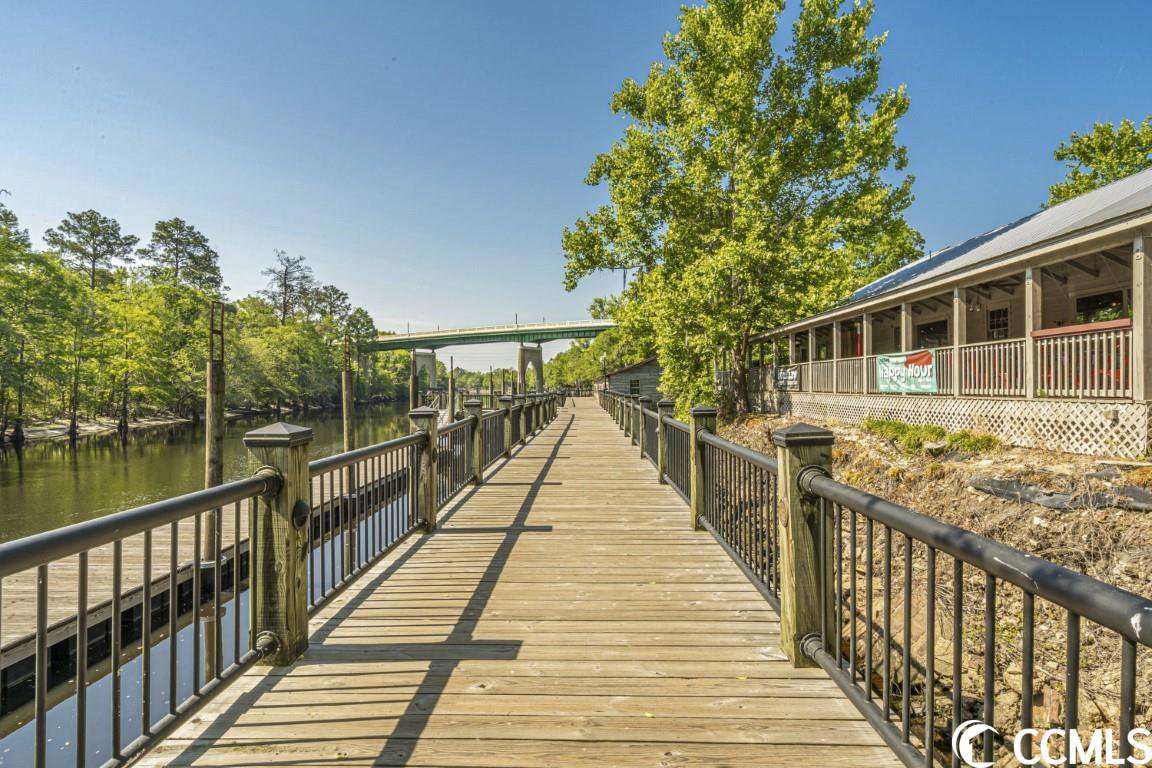
Conway Riverwalk

Why So Many People Are Moving to Conway, SC

Located just 15–30 minutes from Myrtle Beach, Conway provides a quieter lifestyle while still offering easy access to coastal amenities. The area has seen a noticeable uptick in demand from out-of-state buyers seeking affordability and quality of life.

  • Median home prices hover around $270,000 as of early 2026
  • Home values remain significantly lower than many coastal markets
  • The cost of living is below the national average
  • Strong inbound migration from states like New York and Washington

This combination makes Conway especially attractive for retirees, remote workers, and investors.

Step 1: Understand the Cost of Living

  • One of the biggest drivers for relocation is affordability—and Conway delivers.
  • Overall cost of living index: ~97 (below U.S. average)
  • Housing costs: ~30% lower than national average
  • Median home values: roughly $240K–$287K range depending on source

For buyers relocating from high-cost states like California or New York, the savings can be dramatic—sometimes reducing living expenses by 30%–70%

What this means for you:

  • Buyers can often upgrade their lifestyle (larger home, newer construction)
  • Investors benefit from strong rent-to-price ratios
  • Sellers relocating into Conway can leverage equity gains from previous markets

Step 2: Explore the Local Real Estate Market

Before relocating, it's essential to understand Conway’s housing landscape.

What Buyers Should Know

  • Median homeownership rate: ~65%
  • historic homes, new construction, waterfront properties
  • Growing suburban developments just outside downtown

What Investors Should Know

  • Increasing demand due to population growth and migration trends
  • Proximity to Myrtle Beach drives both long-term and short-term rental potential
  • Entry prices remain relatively affordable compared to coastal markets

What Sellers Should Know

  • If you're selling in another state before moving:
  • Many out-of-state buyers are entering Conway with cash or strong equity positions
  • Pricing competitively is key as inventory continues to grow in some segments

Step 3: Choose the Right Neighborhood

  • Conway offers a range of living environments:
  • Historic Downtown Conway – Charming, walkable, near the Waccamaw River
  • Suburban Communities – New builds, family-friendly neighborhoods
  • Rural Areas – Larger lots, quieter lifestyle

Pro Tip: Work with a local real estate expert who understands flood zones, zoning, and future development—especially important in coastal South Carolina markets.

Step 4: Plan Your Out-of-State Move

Relocating across state lines requires strategic planning.

Key Steps:

1. Visit Before You Move

Spend time exploring neighborhoods, commute routes, and amenities.

2. Secure Financing Early

Lenders may have different requirements for out-of-state buyers.

3. Hire a Local Real Estate Agent

A local expert can:

4. Conduct virtual tours

Negotiate on your behalf

5. Provide market insights

Coordinate Timing

Align your home sale (if applicable) with your purchase to minimize temporary housing needs.

Step 5: Understand Lifestyle & Climate

Conway offers a relaxed, coastal lifestyle with mild weather:

  • Average highs: ~75°F annually
  • Minimal snowfall (less than 1 inch annually)
  • Easy access to beaches, golf courses, and outdoor recreation

However, out-of-state buyers should also consider:

  • Hurricane season preparedness
  • Flood zone considerations in certain areas
  • Seasonal tourism traffic near the coast

Step 6: Set Up Utilities, Taxes, and Residency

  • Once under contract or after closing:
  • Establish South Carolina residency
  • Transfer utilities and services
  • Understand property taxes (generally lower than many states)

Bonus Tip: South Carolina offers tax advantages that can benefit retirees and investors.

Step 7: Make a Smooth Transition

  • To ease your relocation:
  • Use virtual closings when possible
  • Work with moving companies experienced in long-distance relocations
  • Consider temporary housing if timelines don’t align perfectly


Conway Downtown Park

Final Thoughts: Is Conway, SC Right for You?

Relocating to Conway from out of state can be a smart move—financially and lifestyle-wise. With affordable housing, steady growth, and proximity to the beach, it’s no surprise the area is gaining national attention.

Posted in For Buyers
March 17, 2026

How AI-Powered Home Valuation Tools Compare to Agent CMAs in Myrtle Beach

How AI-Powered Home Valuation Tools Compare to Agent CMAs in Myrtle Beach

When Myrtle Beach homeowners start thinking about selling, one of the first questions they ask is how much their home is worth. In 2026, there are more ways to answer that question than ever before. AI-powered home valuation tools, often called automated valuation models or AVMs, have become widely available through real estate websites and apps. At the same time, the traditional comparative market analysis prepared by a local real estate agent remains one of the most trusted methods for determining a home's market value.

Both approaches have their place, but they work very differently and produce very different levels of accuracy, especially in a market as diverse as the Myrtle Beach area. Understanding how each method works will help you make a more informed decision when it comes time to price your home.

How AI Valuation Tools Work

AI-powered valuation tools use algorithms to analyze public data such as recent sales records, tax assessments, property characteristics, and broader market trends. When you enter your address into one of these platforms, the algorithm pulls relevant data points and generates an estimated value in seconds. The convenience is undeniable, and for homeowners who want a quick ballpark figure, these tools provide an easy starting point.

However, the data these algorithms rely on has inherent limitations. Public records can be outdated, incomplete, or inaccurate. AI tools typically cannot account for interior upgrades, deferred maintenance, unique architectural features, or the condition of the home. In a market like Myrtle Beach, where property values can vary significantly from one block to the next based on ocean proximity, flood zone status, or community amenities, these gaps in data can lead to substantial pricing errors.

How a Local Agent CMA Works

A comparative market analysis, or CMA, is prepared by a licensed real estate agent who evaluates your home in the context of current market conditions. A thorough CMA for a Myrtle Beach property involves reviewing recent closed sales of similar homes in your neighborhood, analyzing active and pending listings that represent your current competition, and physically inspecting your property to assess its condition, upgrades, and curb appeal.

An experienced Myrtle Beach agent also factors in elements that no algorithm can measure. They understand how seasonal buyer patterns affect pricing along the Grand Strand, which neighborhoods are gaining demand from out-of-state buyers, how HOA fees and rental restrictions influence value for investment properties, and whether a home's specific location within a community adds or subtracts from its appeal. This layer of local knowledge makes a CMA far more nuanced than any automated estimate.

Where AI Valuations Miss the Mark in Myrtle Beach

The Myrtle Beach real estate market presents unique challenges for automated valuation tools. Consider just a few examples. Two condos in the same oceanfront building can have dramatically different values based on floor level, view orientation, and rental income history. A home in Surfside Beach near the ocean may be worth significantly more than a home with the same square footage just a few blocks inland. A property in a golf course community like Barefoot Resort carries a different value proposition than a comparable home in a non-amenity neighborhood.

AI tools struggle with these distinctions because they rely heavily on averages and broad data patterns rather than property-specific analysis. In a market where these details matter enormously, relying solely on an automated estimate can lead to overpricing or underpricing your home by tens of thousands of dollars.

When AI Valuations Can Be Useful

That said, AI valuation tools are not without merit. They can be helpful for getting an initial sense of your home's approximate value range before you engage with an agent. They are also useful for tracking general market trends over time, monitoring how values in your neighborhood are moving, and comparing your property to others in the area at a high level.

The key is to treat automated estimates as one data point among many, not as the final word on what your home is worth. Sellers who use AI tools as a research starting point and then work with a local agent for a detailed CMA tend to arrive at the most accurate and competitive listing price.

The Best Approach for Myrtle Beach Sellers

For Myrtle Beach homeowners preparing to sell, the most effective pricing strategy combines technology with human expertise. Start by reviewing automated estimates to familiarize yourself with the general value range for homes in your area. Then schedule a professional CMA with a local agent who knows your specific neighborhood, understands the current competition, and can walk through your home to evaluate its strengths and areas for improvement.

This combined approach gives you the confidence of data-driven insights backed by the practical judgment of someone who lives and works in the Myrtle Beach market every day.

About Greg Harrelson

Greg Harrelson has spent his entire career in the Myrtle Beach real estate market and serves as the broker and owner of CENTURY 21 Harrelson Group. Having participated in over 15,000 property transactions along the Grand Strand, Greg possesses an extraordinary understanding of local property values and market dynamics. His commitment to client satisfaction is reflected in more than 1,100 five-star reviews and hundreds of Google reviews from homeowners who have trusted him with their most important real estate decisions. Greg believes that every seller deserves access to both the latest technology and the personalized attention of a dedicated local professional, and he works tirelessly to deliver both.

Frequently Asked Questions

How accurate are online home valuation tools for Myrtle Beach properties?
Online valuation tools can provide a general estimate, but they frequently miss key factors that affect Myrtle Beach home values, such as ocean views, flood zone location, community amenities, and interior condition. A professional CMA from a local agent typically provides a much more accurate assessment.

What is included in a comparative market analysis?
A CMA includes a review of recently sold comparable homes, current active and pending listings in your area, an evaluation of your home's condition and features, and an analysis of local market trends. A Myrtle Beach agent will also consider neighborhood-specific factors like proximity to the beach, HOA structures, and seasonal demand.

Should I use an AI valuation tool before contacting an agent?
Using an AI tool to get a preliminary value range is a smart first step. It helps you begin the conversation with your agent from an informed position. However, it should not replace the detailed analysis that a local CMA provides.

Why do AI tools sometimes overvalue or undervalue my home?
AI tools rely on publicly available data that may be outdated or incomplete. They cannot account for renovations, unique features, property condition, or hyperlocal market factors that significantly influence value in the Myrtle Beach area.

How can I get a professional CMA for my Myrtle Beach home?
Contact Greg Harrelson and the CENTURY 21 Harrelson Group team to schedule a complimentary comparative market analysis. Greg will provide a thorough evaluation based on current market data and firsthand knowledge of your neighborhood.

Posted in For Sellers